
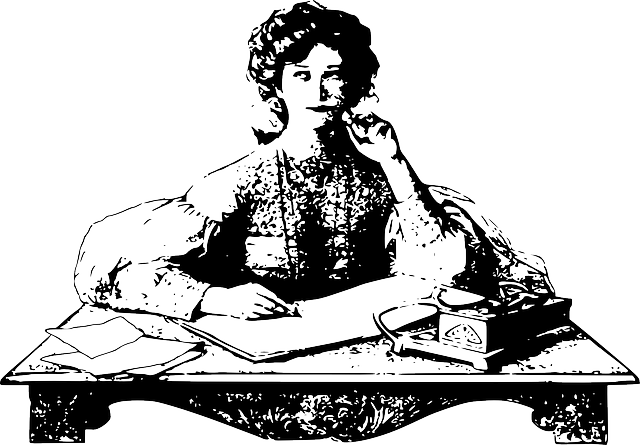
A great deal is written about how to do it. How to write a novel, that is. These days, it appears compulsory to consult numerous books, listen to countless podcasts, read endless articles, attend relentless writing courses – in order to write a novel. To learn the so-called rules. Matters such as: What is your premise? What is the story arc? The inciting incident? The rising action? The climax? Where is your conflict, your resolution? All of these are, of course, worthy considerations to hold in mind when planning, writing and editing a novel. To a certain extent, anyway. But...
0106/2026June 1, 2026
WHAT’S IN A NAME ….?
Sometimes, they are there from the beginning. From early on the title for the next novel comes to mind. At other times, the last chapter has been written, the entire story endlessly edited and still the title remains elusive. T.S. Eliot might have considered that the naming of cats is a difficult matter but I can assure him that the naming of a novel can be equally challenging! And this is the situation that I am currently in, trying to come to a firm choice about the title of my fifth novel, close to its completion. It’s always said –...
0105/2026May 1, 2026
TIME, TIME, TIME …
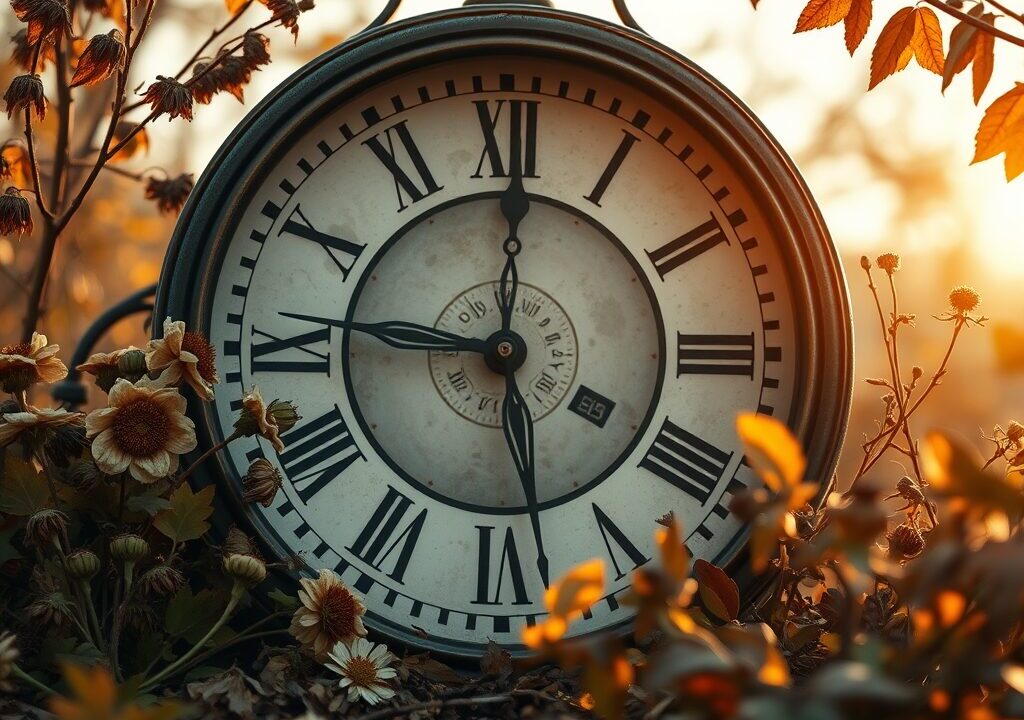
In real life, unlike in novels, every day has to be lived – rather an obvious statement. Time is outside our control. There’s no fast forward or – more regrettably – dash back to the past to live over another day, week, year. But in the world of novels, the author has the power to wield an authority upon it that is very freeing – but also raises all sorts of questions and dilemmas. In saga novels, numerous generations might live their lives and be encapsulated in some 400 pages or so. D.H. Lawrence’s The Rainbow, for example, Arnold Bennett’s...
1503/2026March 15, 2026
Let’s Hear it for the Great and Great-Greats …
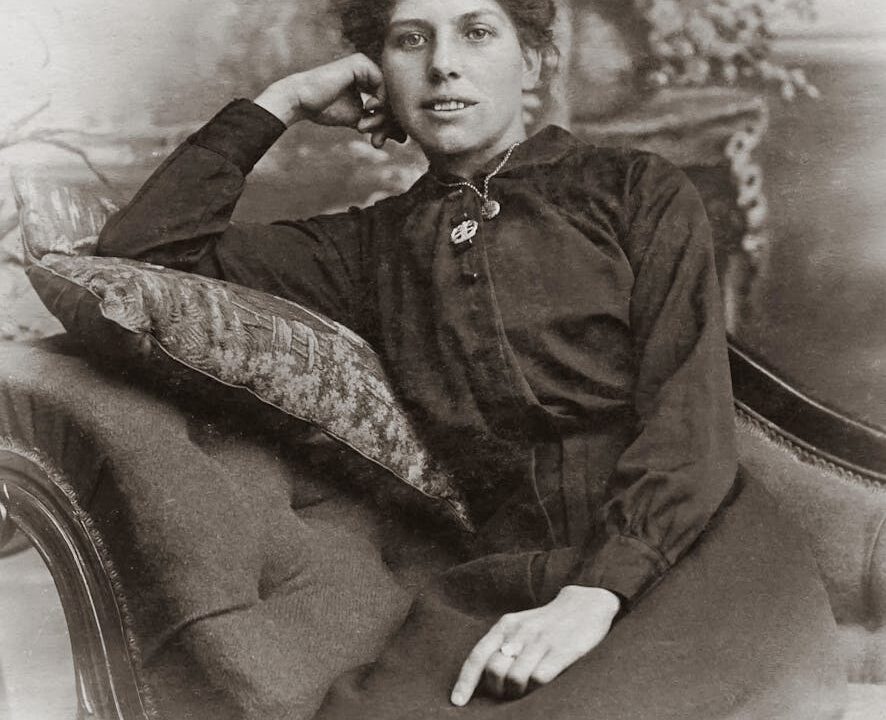
So Mother’s Day is upon us. A day that has, inevitably, like so many other traditions, radically moved away from its original form, its 16th century origins. Then, it was not, naturally, an event about flowers sold at inflated prices and cards and special Sunday lunch menus cashing in on the day. In fact, it was not even about mothers at all. With its roots firmly in religion, it was the fourth Sunday in Lent when people visited their mother-church in the local parish where they had been baptized and was originally called Refreshment Sunday. Falling in the middle of...

0603/2026March 6, 2026
A Year – A Day – of Reading
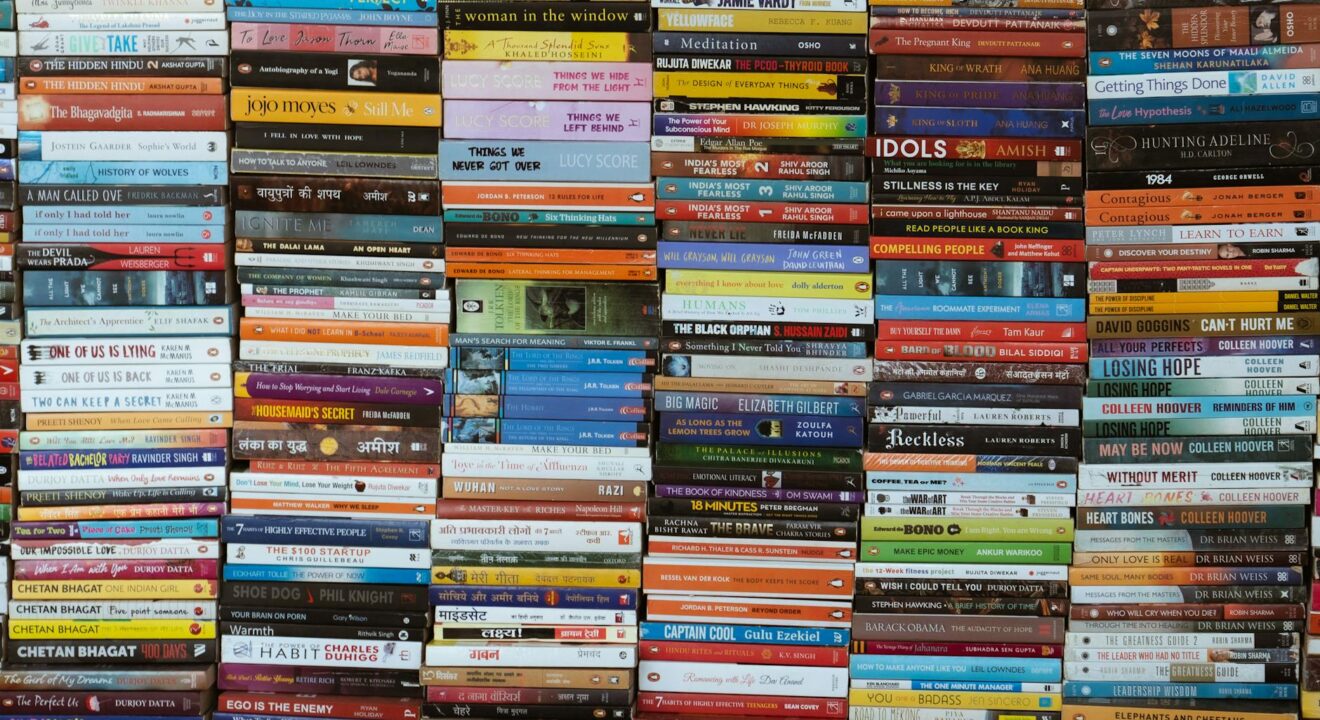
It’s hard to escape the current enthusiasm for reading – and quite right too! 2026 has been declared the National Year of Reading. The idea is to encourage people to discover – or re-discover – a love for reading and find a place for it in our lives. Evidently, there is a considerable decline in reading for enjoyment and no doubt the distractions of screens and social media has a great deal to do with this. As a total bookaholic, it’s hard for me to believe that it’s possible to go through a single day without having a book on...
1612/2025December 16, 2025
Happy Birthday, Jane!
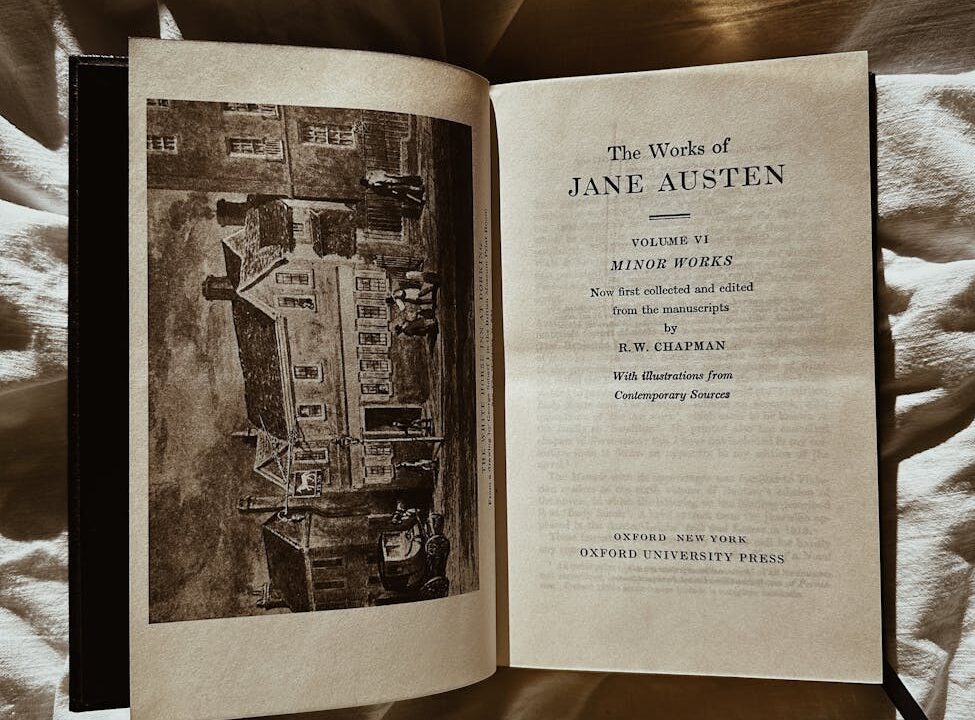
Yes, today is Jane Austen’s birthday! Born on 16th December 1775, countless admirers of her novels and numerous Janeite societies across the world are marking the day with enthusiasm and reverence – and no doubt there’s been an increase in her online sales as her name is brought to the forefront of people’s minds just in time for a Christmas purchase. Her novels are, of course, endlessly discussed, praised and analysed – for very good reason. They are brilliant. And there are inevitably many commendable film and television versions so that access to her stories is everywhere. Her characters are...

1411/2025November 14, 2025
A Life in Libraries …
There are not many regular habits that feature in every single month, year and decade of our lives. Most attach themselves firmly to a particular age or stage of growing up, Childhood games give way to adolescent interests and gradually morph into the preoccupations of adulthood. So I find it consoling to think that something I enjoyed doing from a very young age still sustains me as a source of pleasure now that I am …well, a woman in the possession of quite a number of accrued years. Libraries. A visit to a library. My earliest memory of a library...

2009/2025September 20, 2025
The Pull of the Past …
The familiar words – The past is a foreign country: they do things differently there – open L.P. Hartley’s wonderful novel, The Go-Between. Published in 1953, the protagonist, Leo Colston, chances upon his diary written over the summer of 1900 and the unfolding story, reflecting back upon those pivotal months and reawakening suppressed memories, allows Leo to view the impact of its events over his subsequent life. It also offers the author a chance to reflect and portray the changes and shifts in society – from a midpoint place of what Leo calls this hideous century back to the waning...

2307/2025July 23, 2025
A Novel Recipe …
I am addicted to cookery books. I have a large number and like nothing better than to waste time looking at the splendid glossy photos and scanning the ingredients. Of course, most of the time, I never go on to cook the dish. Or if I do, I end up adapting that ingredients list, exchanging the prescribed herb or spice or sauce for whatever I happen already to have lurking at the back of my cupboard or fridge. Which is, with a bit of a stretch of the imagination (and after all, that’s what every writer has in abundance) a...

0607/2025July 6, 2025
TIPPING & TURNING POINTS …
Fiction imitates life. That’s the idea, anyway. Fiction sets out to create situations, scenarios and settings with which we, as readers, can identify, relate or at least imagine. Yet in many ways, fiction is utterly unlike Real Life. Take the turning points the author has to create and inject into the story to propel the plot on its way. Those sudden realisations or revelations where the protagonist spontaneously becomes aware of something crucial or makes a life-changing decision. It’s part of the plotting and pacing of a novel – a moment at which the author has to take control and...